Government
Key witness grilled in corruption trial of Oakland ex-mayor
By Katherine Langford
Advertisement · Why this ad?
Katherine oversees editorial operations across all six brands. Before joining The Meridan Group, she spent 14 years at the Minneapolis Star Tribune, where she led the metro desk through its digital transformation. She holds a Master's in Journalism from Northwestern's Medill School.
More from Katherine →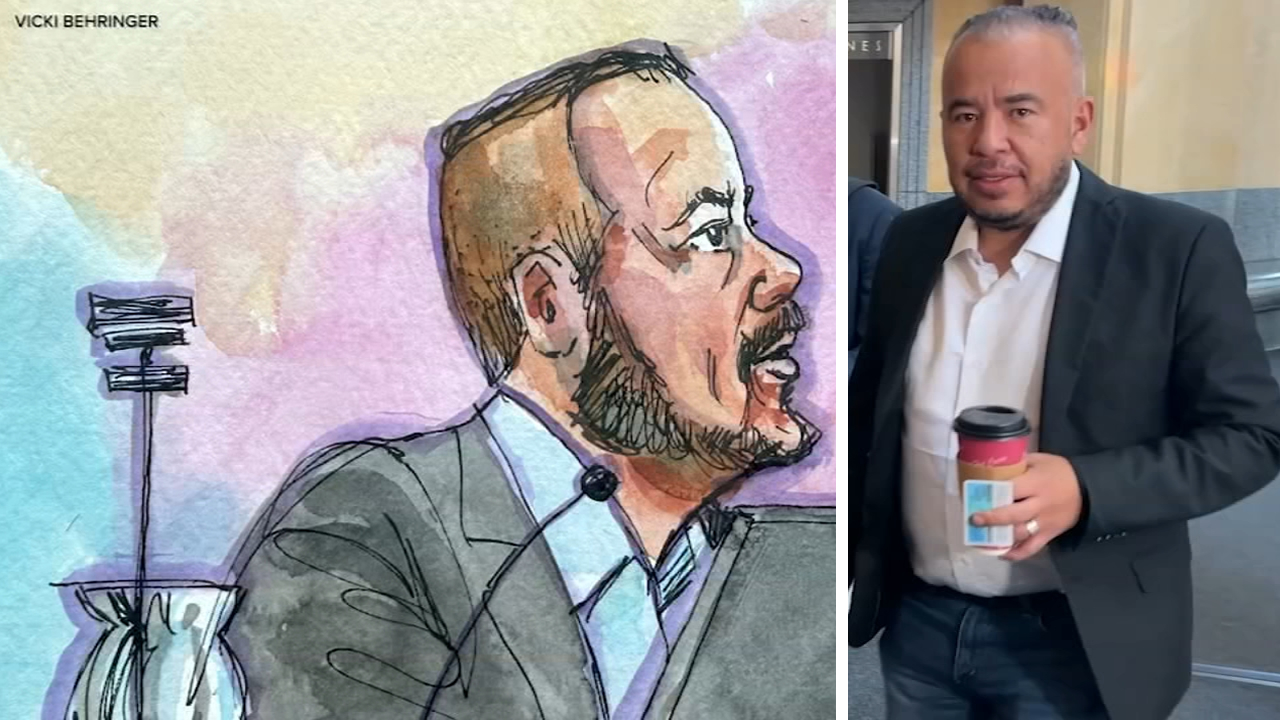
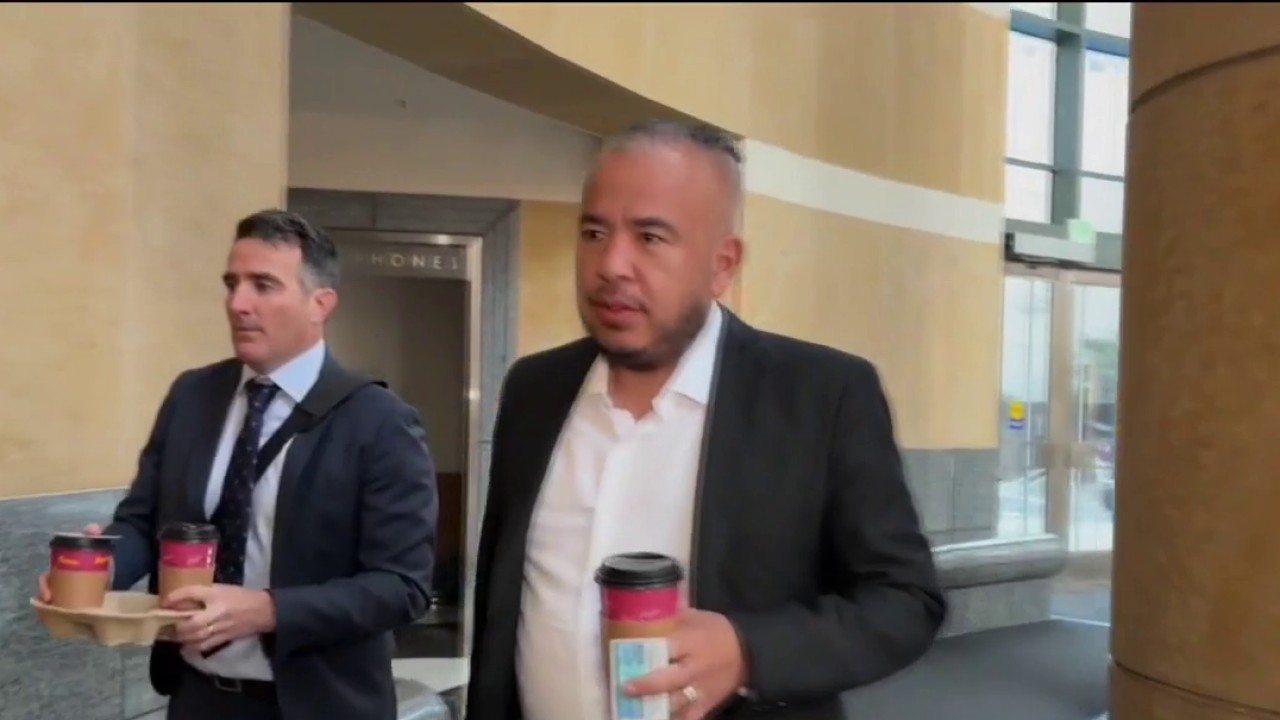
The courtroom in Oakland Federal Court was filled with a palpable tension last Thursday as defense attorney Ed Swanson relentlessly challenged the testimony of Mario Juarez, a key witness in the bribery and corruption trial of former Oakland Mayor Sheng Thao. Juarez, who has already pleaded guilty to conspiracy to commit bribery of a public official, is central to the prosecution’s case against Thao and others accused of leveraging her political influence for personal gain. The trial, which centers on allegations surrounding the collapse of Evolutionary Homes, a company that aimed to provide container homes for the homeless, has drawn significant attention to the ethical conduct of public officials and the potential consequences when trust is broken.
The trial stems from accusations that former Oakland Mayor Sheng Thao and her partner, Andre Jones, accepted bribes and exerted influence to benefit California Waste Solutions and Evolutionary Homes, businesses founded by David and Andy Duong. Mario Juarez, a former business partner of the Duongs, has entered a guilty plea and agreed to testify against Thao in exchange for a potentially lighter sentence. During Thursday’s proceedings, Swanson’s cross-examination focused heavily on Juarez’s past business dealings and alleged inconsistencies in his statements. The defense played audio recordings revealing Juarez's frustration with Thao, where he stated, “You know, I think I was disappointed that she promised something and she is not keeping it, and she's doing it that way. So for me, it's a personal issue with her now.” ABC 7 News has been covering the trial extensively, providing detailed updates on the proceedings and witness testimonies. According to KTVU, Juarez traded barbs with Swanson, often becoming combative while being cross-examined, accused of dishonesty in real estate deals, bouncing checks, and stealing money. Judge Yvonne Gonzalez Rogers repeatedly had to interrupt the bickering.
The defense also presented evidence regarding repeated demands for an accounting of $750,000 provided to launch Evolutionary Homes. Juarez admitted to retaining approximately $200,000 of that sum. The prosecution alleges that the scheme involved up to $3 million in cash payments and commissions intended for Thao and Jones. Former federal corruption prosecutor Wilson Leung explained that defense attorneys often attempt to undermine witness credibility even without exposing a direct contradiction, aiming to create an impression of defensiveness or untrustworthiness on the jury. This tactic is often employed when a “Perry Mason moment” – a definitive, undeniable contradiction – is elusive.
Swanson’s cross-examination revealed a pattern of questionable behavior by Juarez. He admitted to bouncing checks to Butterfly Printers, a minority-owned business that produced an attack mailer supporting Thao’s mayoral campaign, and acknowledged surrendering his real estate license after inflating a tenant's security deposit and keeping the difference of $14,000. Furthermore, Juarez confessed to keeping a woman’s $44,000 check intended for her mortgage. “Yes, Mr. Juarez has a lot of issues,” Leung stated, highlighting his admitted crimes and past misconduct. The defense also highlighted that Juarez's plea deal hinged on his truthful testimony, suggesting that any falsehoods could result in a harsher sentence and potential contempt of court charges. According to KTVU, Swanson accused Juarez of leveraging his deal with the federal government, a charge Juarez denied.
The community reaction to this trial has been mixed, with many residents concerned about the implications for local politics and business. Some residents feel that the trial is a necessary step to uncover corruption, while others are skeptical of the process and the credibility of key witnesses. One local business owner, who requested anonymity, expressed frustration: 'It’s hard to trust anyone these days. If Juarez can't be trusted, who can? This is just another example of the instability in our political and business circles.' However, a community activist with a background in public service noted, 'While we need transparency and accountability, it's important to remember that not everyone is corrupt. We should focus on building a stronger community based on trust and integrity.'
Former federal corruption prosecutor Wilson Leung commented, 'Defense attorneys often seek to undermine a witness's credibility, even when they cannot expose major contradictions. The next best outcome is to create an impression that the person is defensive, guarded, and unlikable.' This strategy aims to cast doubt on the witness's reliability and potentially sway the jury. Leung further explained that while a dramatic contradiction would be ideal, defense attorneys often focus on creating a general impression of untrustworthiness.
The trial is set to resume Monday, with Juarez likely to return to the stand for further cross-examination. The defense will continue to challenge his credibility, while the prosecution will aim to bolster his testimony and maintain its case against Sheng Thao and her associates. The trial’s proceedings and subsequent reporting offer a profound lesson about the importance of ethical leadership and the potential consequences of corruption. As reported by KTVU, the Duong family owns California Waste Solutions, Oakland's recycling contractor, and had once operated Evolutionary Homes with Juarez, before a falling out reportedly led to Juarez being robbed of a watch and gold chain.
This trial isn’t merely about the alleged actions of one individual; it’s a reflection of a deeper societal erosion of trust. The details emerging—the bounced checks, the misappropriated funds, the admitted failings—paint a troubling picture of someone who leveraged his position for personal gain. While I understand the complexities of legal proceedings and the necessity of defense, the revelations concerning Mr. Juarez are deeply concerning. They serve as a potent reminder that integrity is not merely a legal requirement but a moral imperative, particularly for those entrusted with public service. The potential collapse of Evolutionary Homes, an initiative intended to help those struggling with homelessness, is particularly heartbreaking. It underscores the importance of ethical leadership and responsible stewardship of resources. Families thrive when communities are anchored by trustworthy institutions and leaders who prioritize the common good above personal enrichment.
What remains to be seen is the full extent of the alleged conspiracy and whether other individuals will be implicated. It’s crucial that a thorough investigation is conducted to ensure that all those involved are held accountable. More importantly, this case should prompt a broader examination of the systems and processes that allowed these alleged actions to occur. Strengthening oversight mechanisms, promoting transparency, and fostering a culture of ethical conduct within government are essential steps toward restoring public trust and safeguarding the integrity of our institutions. The American dream is predicated on the belief that hard work and honesty will be rewarded, and that leaders will serve with integrity—this trial challenges that very foundation.
For those seeking more information about the trial and related issues, several resources are available. The California Courts website provides information on the judicial system and legal proceedings. The Federal Bureau of Investigation investigates public corruption cases and offers resources for reporting suspicious activity. The Department of Justice provides information on federal prosecutions and legal proceedings. Local news outlets, such as ABC 7 Bay Area and KTVU, continue to provide updates on the trial’s progress. The City of Oakland website offers information on city services and initiatives.
The trial’s impact extends beyond the legal realm, prompting a broader conversation about the values that underpin our society and the importance of maintaining trust in our institutions. The allegations against former Mayor Thao underscore the need for transparency, accountability, and a commitment to ethical conduct at all levels of government. The community’s response to this trial will shape the future of Oakland and its relationship with its elected officials.
The trial’s conclusion will mark a significant moment in Oakland’s history, but the lessons learned should endure. It is essential to strengthen safeguards against corruption, promote transparency, and foster a culture of ethical conduct within government. By upholding these values, we can ensure that our institutions serve the public good and that trust in our leaders is restored. The United States Government website offers a wealth of information on federal agencies and programs.
Closing paragraph: The trial of former Oakland Mayor Sheng Thao serves as a stark reminder of the importance of integrity and accountability in public service. While the legal proceedings continue, the community must engage in a broader conversation about the values that underpin our society and the measures necessary to safeguard our institutions. The pursuit of justice and the restoration of trust require a collective effort, and it is incumbent upon all citizens to remain informed and engaged in the civic process. The future of Oakland, and indeed the strength of our democracy, depends on it.
By Katherine Langford

By Katherine Langford

By Katherine Langford

By Marcus Chen