
Arts
Taylor Mac returns to San Francisco with 'Bark of Millions'
By Marcus Chen
Advertisement · Why this ad?
Marcus manages the day-to-day editorial workflow across all brands, coordinating coverage assignments and ensuring editorial standards are met. He previously served as city editor at the Pioneer Press and holds a degree in Political Science from Carleton College.
More from Marcus →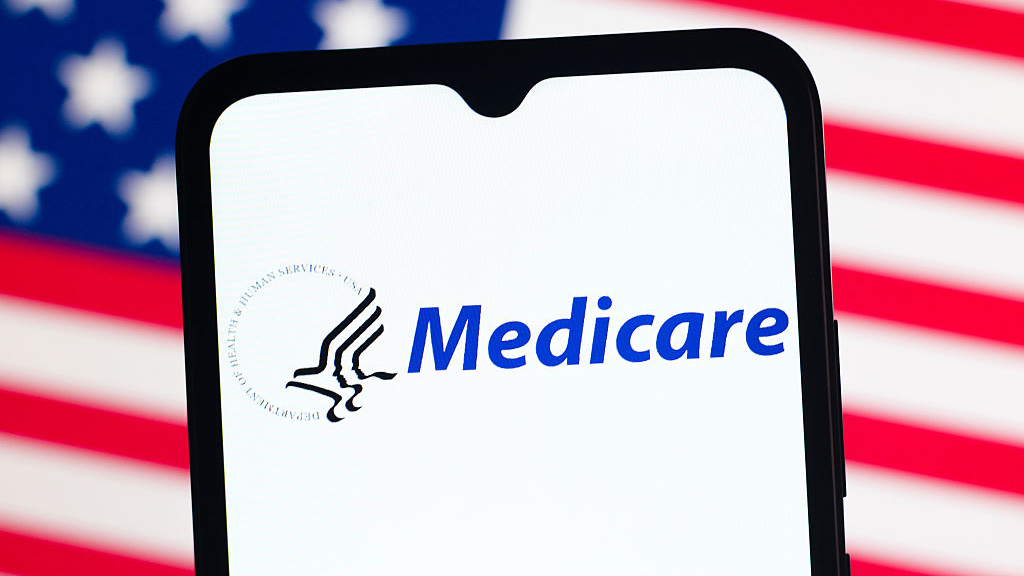
The allure of illicit wealth often casts a long shadow, but the pursuit of justice eventually brings even the most cunning schemes into the light. For years, Herbert Leon Kimble, a 60-year-old mastermind, orchestrated a sprawling $365 million Medicare fraud scheme, exploiting the very system designed to care for our nation's most vulnerable. His elaborate operation, built on deception and greed, generated fake medical claims that siphoned critical resources away from legitimate patient care, leaving taxpayers to bear the staggering loss.
This week, the long arm of the law finally closed its grip, as Kimble was sentenced to a substantial 20 years in federal prison. The judgment, handed down by the U.S. Attorney's Office, District of South Carolina, marks the culmination of a complex investigation that spanned continents, bringing accountability to a man who once believed he was beyond reach. His sentencing sends a clear message: those who prey on the trust and well-being of others will ultimately face severe consequences.
Herbert Leon Kimble’s criminal enterprise was a sophisticated web of deceit, meticulously designed to exploit the Medicare system. At its core, the scheme involved the creation of fake telemedicine organizations and the operation of offshore call centers, which served as the initial point of contact for unsuspecting victims. These operations targeted vulnerable Medicare recipients, luring them in with deceptive marketing tactics to obtain their personal information.
Once ensnared, these individuals were subjected to a fraudulent process where medically unnecessary prescriptions for orthotic braces were generated. Kimble then sold this sensitive patient information, complete with pre-signed doctors’ orders, to Durable Medical Equipment (DME) organizations. These DME companies, complicit in the fraud, would then bill Medicare millions of dollars for these unneeded devices, disguising illegal payoffs to Kimble as legitimate business payments.
The scale of the deception was immense. The U.S. Attorney's Office confirmed that the scheme generated an astonishing $365 million in false claims. Of this, Medicare was defrauded of more than $199 million in reimbursements, money that was intended to provide genuine healthcare services to seniors and those in need. Kimble himself personally profited handsomely, amassing over $195 million from the illicit enterprise, funds he used to purchase luxuries such as a high-end condominium at the Shangri-La hotel in the Philippines.
The medical professionals involved in Kimble’s scheme were equally culpable, failing to uphold their ethical duties. Instead of conducting proper consultations, they merely signed preselected brace orders, rubber-stamping the fraudulent claims to enhance Medicare restitution. This systemic breakdown of trust, from the initial marketing to the final billing, highlights the insidious nature of such widespread fraud.
Kimble’s journey to justice was not straightforward. He initially pleaded guilty in 2019 to a broad conspiracy against the United States, acknowledging his role in the vast scheme. However, demonstrating a profound disregard for the legal system, he subsequently failed to appear for multiple court proceedings scheduled in 2024. This blatant defiance led to the issuance of a bench warrant for his arrest, escalating his status to a fugitive.
The Federal Bureau of Investigation (FBI) swiftly added Kimble to its Most Wanted Fraudsters list, initiating an international manhunt. His flight from justice eventually led authorities to the Philippines, where he was apprehended and returned to the United States. Upon his return, Kimble faced additional charges, including three counts of failure to appear, leading to a new plea agreement that encompassed both his original fraud charges and the new indictment.
In addition to his 20-year prison sentence for conspiracy to defraud the United States and failure to appear, Kimble has been ordered to forfeit over $195 million in money and property. He must also pay more than $199 million in restitution directly to the Medicare program, a crucial step in recovering the funds stolen from taxpayers and ensuring the integrity of our national healthcare system. This dual mandate of punishment and restitution underscores the severity of his crimes and the commitment of the U.S. Department of Justice to hold fraudsters accountable.
While this particular case originated far from our Atherton community, its implications resonate deeply here and across the nation. Healthcare fraud, regardless of its geographic origin, drains vital resources from systems designed to protect our most vulnerable citizens – our parents, grandparents, and neighbors. Every dollar stolen through schemes like Kimble’s is a dollar less for legitimate medical care, for preventative screenings, and for the support systems that keep our families healthy and secure.
Our community in Atherton, known for its strong family values and commitment to civic responsibility, understands the importance of safeguarding the well-being of its elders. The trust placed in our healthcare providers and government programs like Medicare is a cornerstone of our societal fabric. When that trust is betrayed by individuals driven by greed, it erodes the very foundations of community support and mutual reliance that we cherish.
This case serves as a poignant reminder of the importance of vigilance. Protecting our elders from predatory schemes is a shared responsibility, one that reinforces the bonds within our families and strengthens the integrity of our community. It speaks to the American dream of stable, loving households where resources are preserved for genuine needs, not siphoned off by criminals. The societal costs of such fraud extend beyond mere dollars; they impact the peace of mind and security of countless families.
The fight against healthcare fraud requires constant vigilance from individuals, families, and government agencies alike. The U.S. Department of Health and Human Services Office of Inspector General (HHS-OIG) actively works to combat such schemes, but public awareness is a critical first line of defense. Medicare beneficiaries should always be wary of unsolicited calls or offers for free medical equipment or services, especially if they are asked for their Medicare number or other personal information.
Families are encouraged to have open conversations with their elderly loved ones about potential scams. Resources from organizations like AARP and the National Council on Aging provide valuable information on how to identify and report fraudulent activities. The Federal Trade Commission (FTC) also offers comprehensive guides on how to avoid scams and protect personal information.
Locally, residents of Atherton can stay informed about community safety and resources through the Town of Atherton Official Website and the Atherton Police Department. Broader county-level services, including health and human services, are available through the San Mateo County Official Website. These local resources are vital in fostering a secure environment where families can thrive without fear of exploitation.
Herbert Leon Kimble’s 20-year sentence and the substantial financial penalties he faces represent a significant victory for justice and for the integrity of our healthcare system. It underscores the unwavering commitment of federal agencies, including the U.S. Attorney's Office, District of South Carolina, to pursue those who seek to profit from deception. This outcome reinforces the principle that no one is above the law, regardless of how intricate their schemes may be.
As Kimble begins his lengthy incarceration, the focus shifts to continued vigilance and strengthening the safeguards that protect our communities. The Golden Gate Current remains committed to reporting on issues that impact the well-being of our residents, advocating for policies that support strong families, ethical conduct, and the preservation of the American dream of stable, loving households. By working together, we can ensure that our healthcare systems remain a source of care and comfort, not a target for criminal exploitation.
By Marcus Chen

By Katherine Langford

By Katherine Langford

By Marcus Chen